Fresh, Tinned or Frozen Fish for a Weeknight Meal?
Choose fresh, tinned or frozen fish for a weeknight meal by matching its texture, prep demands and best uses to the dish you want to cook.
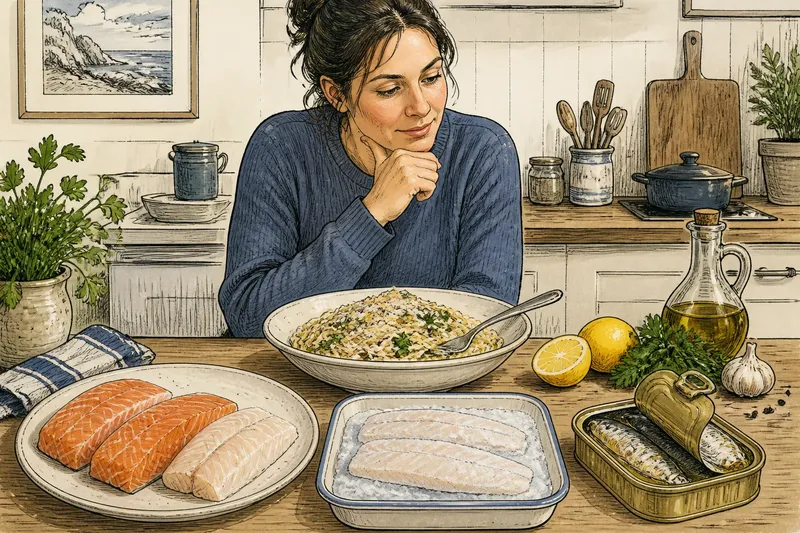
For a weeknight meal, choose fresh, tinned or frozen fish by deciding what the dish needs before you shop. Fresh fish suits a quick pan-cook when you want a tender, distinct fillet; tinned fish is ready for meals that welcome flakes and seasoning; frozen fish offers raw fish with less pressure to use it right away. The right format is the one that fits both the recipe and the evening.
What should the fish do in the dish?
Start with the finished plate, not the display case. A fillet served whole needs to hold together and look appealing; fish folded through pasta, rice or a savory pie can be less uniform. That distinction quickly narrows the choices.
- For a distinct fillet: choose fresh or frozen raw fish, such as cod, haddock, salmon or trout. Both can be pan-cooked or baked, though their moisture and handling differ.
- For a mixed dish: tinned tuna, sardines, mackerel or salmon can go directly into a filling, sauce or salad. Their cooked, flaky texture is part of the point.
- For a fast meal with little prep: tinned fish takes the least work. Frozen fish can be convenient too, but it may need thawing or additional cooking time.
- For a crisp exterior: raw fish is the more suitable starting point. Tinned fish is already cooked, so browning it again can make it dry or fragile.
Say you have pasta, lemon, parsley and a tin of sardines. Fold the drained fish into warm pasta with olive oil, lemon zest and a little cooking water; expect soft flakes throughout rather than a neat fillet on top. If the plan is a plate with a browned fillet and vegetables, save the sardines for another meal and choose fresh or frozen fish.
When is fresh fish the sensible choice?
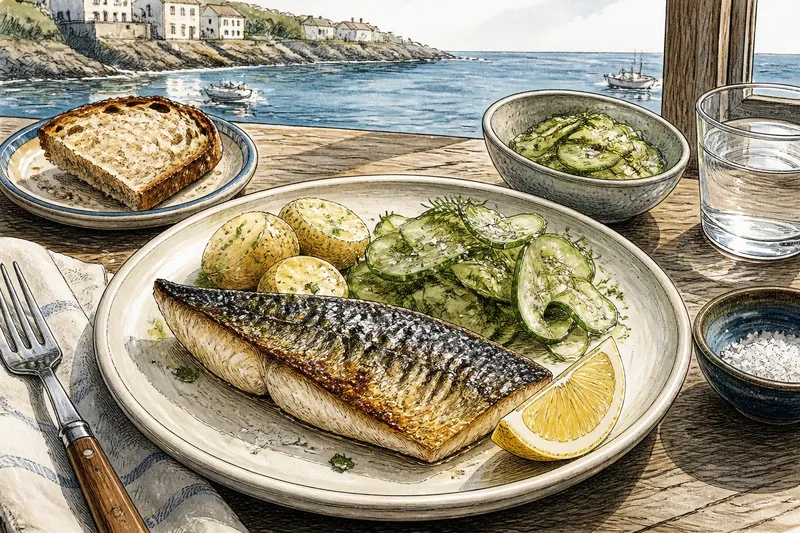
Fresh fish works well when you can cook it soon and the fillet itself is central to the meal. A plainly seasoned piece of salmon beside potatoes, or cod with a quick pan sauce, benefits from raw fish’s cohesive texture and clean-cut appearance.
At the counter, look for fish kept properly chilled and handled cleanly. It should smell mild and marine, not sharply sour or ammonia-like. Flesh should appear moist rather than dried at the edges; a strong fishy odor or visibly deteriorating surface is a reason to choose something else. Buying from a counter where staff can tell you what is available and how it has been stored is useful, not ceremonial.
Fresh fish does ask for a little attention. Pat the surface dry before cooking if you want it to sear, and avoid crowding the pan, which can trap steam. A thinner fillet will cook differently from a thick center-cut piece, so judge doneness by the fish’s appearance and texture rather than following a time meant for another cut.
Choose fresh when the meal depends on a whole, tender piece and you are ready to cook it promptly.
When does frozen fish make more sense?
Frozen fish is useful when the shopping trip and the cooking day do not line up. Raw fillets can be kept for a planned meal without relying on a short window after purchase, and individually portioned pieces make it easier to cook only what you need. The trade-off is planning: some products need thawing, and water released during thawing can interfere with browning.
Check whether the package says the fish should be thawed before cooking or can be cooked from frozen. Thaw it in the refrigerator when the label directs; avoid leaving fish out on the counter. Before pan-cooking a thawed fillet, blot away surface moisture with paper towel. For a casserole or sauced dish, a little extra moisture may matter less than it would in a crisp-skinned preparation.
Frozen fish can be a good fit for fish tacos, baked fillets, chowder or a tray of vegetables and fish. It is less convenient when you need an unplanned meal immediately and the product requires thawing. Some frozen fillets are coated or seasoned, so read the package before adding salt or choosing a cooking method.
Choose frozen fish when you want raw fish on hand but can plan around its thawing instructions.
What does tinned fish do best?
Tinned fish is already cooked and ready to use, making it a strong choice for meals built around pantry ingredients. Tuna can go into a sandwich, bean salad or pasta; sardines can be paired with toast, tomatoes or warm potatoes; tinned salmon can become a simple patty mixture or a filling for a baked potato. These options suit dishes where flakes can mingle with other ingredients.
Drain the fish if the dish would become too oily or wet, but keep the packing oil if it suits the sauce. Check for bones and skin according to your preference; in some tins they are soft enough to eat, while others may be better suited to a dish where you can break the fish apart and inspect it as you mix. The label gives the useful details about the contents and any added salt, oil or seasoning.
Tinned fish is not a direct stand-in for a raw fillet. It will not give you a fresh, juicy center or a crisp seared surface, and further cooking can dry it out. Warm it gently at the end of a dish, or add it off the heat when you want the flakes to remain distinct.
How do fresh, tinned and frozen fish compare?
The choice gets clearer when you compare the work each format asks of you. Convenience is not simply how quickly a package opens: thawing, draining and the texture expected on the plate all count.
- Fresh: best for a whole fillet and direct cooking; usually needs prompt use and a little attention at the pan.
- Frozen: best for keeping raw portions available; may need advance thawing and careful drying before searing.
- Tinned: best for ready-to-eat flakes in salads, pasta, sandwiches and other mixed dishes; does not behave like raw fish.
For texture, think in terms of structure. Fresh and frozen raw fish can remain in a coherent piece when cooked gently; tinned fish readily separates into flakes. For convenience, tinned fish is ready now, frozen fish is ready when prepared as directed, and fresh fish is most convenient when it is already on the counter and dinner is imminent.
Which fish format fits your dinner plan?
Can I use frozen fish instead of fresh in a recipe?
Usually, if the recipe calls for raw fillets and the frozen product is similar in cut and thickness. Follow the package directions, then account for moisture: a thawed fillet may need blotting before it goes into a hot pan.
Can I replace fresh fish with tinned fish?
Only when the dish can use cooked flakes rather than a whole raw fillet. A pasta sauce or sandwich can welcome tinned fish; a recipe designed for a browned piece of cod cannot preserve the same texture by substitution.
Which option is best for fish tacos?
For tacos with a cooked, intact filling, choose fresh or frozen raw fish and prepare it according to the cut. Tinned fish can also work in a different style of taco, especially with beans, crunchy vegetables and a bright dressing.
How do I choose if I have not settled on a recipe?
Choose by the work you want to do. Tinned fish is the simplest starting point for a pantry meal, frozen fish suits a planned fillet dinner, and fresh fish makes sense when you can buy it and cook it promptly.
What should you check before buying?
Before deciding, ask what shape the fish needs to take, how much preparation you can manage, and what else is going into the meal. Then check the package or counter information for the fish’s state, added ingredients and handling instructions. Where preparation or safe storage depends on the label, follow the manufacturer’s directions; local food-safety guidance applies to storage and handling.
For a lemony pasta, tinned mackerel may be the most coherent choice even if fresh cod is available. For a crisp-edged fillet, frozen cod can work when thawed and dried as directed, while a tin will not become a fillet by force of optimism. Match the fish format to the job, and weeknight cooking becomes a decision rather than a negotiation with the refrigerator.
Fresh, tinned or frozen fish for a weeknight meal is ultimately a question of the texture you want and the time you have. Keep a tin for an immediate pantry dinner, and choose fresh or frozen when the plate calls for a piece of fish that stays a piece.